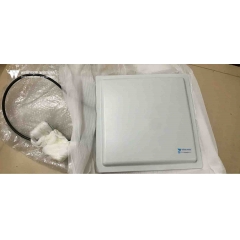

 Antena Router WiFi
Polarisasi Antena: Apakah Ia dan Mengapa Ia Penting
Anggaran masa membaca: 15 minit
Setiap jurutera elektronik mengetahui bahawa antena menghantar dan menerima isyarat dalam bentuk gelombang elektromagnet (gelombang tenaga elektromagnet), yang sifatnya boleh diterangkan melalui persamaan Maxwell. Seperti banyak subjek teknikal khusus, kita boleh mentafsir persamaan ini, bersama-sama dengan peraturan perambatan dan ciri-ciri gelombang elektromagnet, dari pelbagai dimensi—daripada penerangan kualitatif yang agak mudah kepada formula matematik yang kompleks dan terperinci.
Polarisasi ialah salah satu daripada banyak ciri perambatan tenaga elektromagnet. Kesan dan tahap keperluan untuk mengambil kiranya berbeza secara meluas mengikut pelbagai senario aplikasi dan reka bentuk antena yang berkaitan. Prinsip asas polarisasi terpakai kepada semua sinaran elektromagnet, termasuk isyarat frekuensi radio (RF)/wayarles dan tenaga gelombang cahaya, dan polarisasi digunakan secara meluas dalam bidang optik. Artikel ini hanya meliputi jalur frekuensi RF.
Apakah Polarisasi Antena?
Untuk memahami polarisasi, seseorang mesti terlebih dahulu menguasai asas-asas gelombang elektromagnet. Gelombang elektromagnet terdiri daripada medan elektrik (medan E) dan medan magnet (medan H) yang bergerak dalam arah yang sama. Medan elektrik dan medan magnet adalah berserenjang antara satu sama lain, dan kedua-duanya juga berserenjang dengan arah perambatan gelombang satah.
Polarisasi ditakrifkan sebagai satah getaran medan elektrik apabila diperhatikan dari hujung pemancar ke arah perjalanan gelombang. Dalam polarisasi mendatar, medan elektrik berayun dari sisi ke sisi dalam satah mendatar; dalam polarisasi menegak, medan elektrik bergetar ke atas dan ke bawah dalam satah menegak (lihat Rajah 1).

Rajah 1: Gelombang elektromagnet dengan komponen medan elektrik dan magnet yang saling berserenjang
Antena penghantar dan penerima membentuk satu pasangan antena, dan prestasi pemancar-penerima mencapai tahap maksimum apabila kedua-duanya berkongsi satah polarisasi yang sama. Sebagai rujukan kepada baris ikonik daripada filem 1979 Alien—“Di angkasa, tiada siapa dapat mendengar anda menjerit”—tiada perbezaan semula jadi antara polarisasi mendatar dan menegak di angkasa lepas. Walaupun begitu, teori pemadanan polarisasi dan penjajaran antena masih benar untuk memaksimumkan penghantaran dan penerimaan tenaga isyarat.
Polarisasi Linear dan Pekeliling
Gelombang elektromagnet mempunyai pelbagai mod polarisasi:
- Polarisasi linear asas merangkumi dua bentuk polarisasi yang saling ortogon (berserenjang) (lihat Rajah 2). Secara teori, antena penerima terpolarisasi mendatar tidak dapat menangkap sebarang isyarat yang dipancarkan oleh antena pemancar terpolarisasi menegak yang beroperasi pada frekuensi yang sama, dan sebaliknya. Semakin hampir orientasi polarisasi kedua-dua antena, semakin kuat isyarat yang diterima; kecekapan pemindahan tenaga isyarat mencapai kemuncak apabila polarisasi dipadankan dengan sempurna.

Rajah 2: Polarisasi linear menawarkan dua bentuk polarisasi yang saling ortogon
- Polarisasi condong ialah variasi polarisasi linear. Seperti polarisasi mendatar dan menegak standard, takrif ini hanya terpakai untuk senario berasaskan darat. Polarisasi condong membentuk sudut ±45° berbanding satah mendatar. Walaupun polarisasi condong pada asasnya adalah linear, apabila profesional industri merujuk kepada “polarisasi linear”, mereka biasanya hanya bermaksud antena polarisasi mendatar atau menegak.
- Isyarat yang dipancarkan atau diterima oleh antena polarisasi condong boleh ditangkap oleh antena yang hanya terpolarisasi mendatar atau menegak, walaupun dengan sejumlah kehilangan isyarat tertentu. Antena polarisasi condong sesuai untuk kes penggunaan apabila keadaan polarisasi satu atau kedua-dua antena tidak diketahui, atau apabila polarisasi berubah semasa operasi.
- Polarisasi pekeliling (CP) lebih kompleks berbanding polarisasi linear. Dalam mod polarisasi ini, vektor medan elektrik terus berputar apabila isyarat merambat. Apabila dilihat dari hujung pemancar ke arah luar, putaran mengikut arah jam bagi vektor medan elektrik dipanggil Polarisasi Pekeliling Tangan Kanan (RHCP); putaran lawan arah jam dipanggil Polarisasi Pekeliling Tangan Kiri (LHCP) (lihat Rajah 3).

Rajah 3: Vektor medan elektrik gelombang elektromagnet terpolarisasi pekeliling berputar, dibahagikan kepada jenis tangan kanan dan tangan kiri
Isyarat terpolarisasi pekeliling terbentuk melalui pertindihan dua gelombang elektromagnet ortogon dengan beza fasa 90°. Tiga kriteria mesti dipenuhi untuk menghasilkan polarisasi pekeliling: medan elektrik mesti mengandungi dua komponen ortogon; kedua-dua komponen mesti mempunyai perbezaan fasa 90°; dan kedua-dua komponen mesti membawa amplitud yang sama. Antena heliks menyediakan penyelesaian mudah untuk menjana gelombang terpolarisasi pekeliling.
- Polarisasi elips (EP) ialah terbitan daripada polarisasi pekeliling. Seperti gelombang terpolarisasi pekeliling, gelombang terpolarisasi elips disintesis daripada dua gelombang terpolarisasi linear. Polarisasi elips terbentuk apabila dua gelombang terpolarisasi linear yang saling berserenjang dengan amplitud tidak sama ditindih.
Tahap ketidakpadanan polarisasi antara dua antena diukur dengan Faktor Kehilangan Polarisasi (PLF), diukur dalam desibel (dB). Nilainya ditentukan oleh sudut polarisasi antara antena pemancar dan penerima. Secara teori, PLF bersamaan 0 dB apabila pemadanan polarisasi sempurna (tiada kehilangan); jika kedua-dua antena terpolarisasi sepenuhnya secara ortogon, PLF menghampiri infiniti (pelemahan isyarat lengkap).
Namun, dalam aplikasi dunia sebenar, antena tidak dapat mencapai polarisasi yang dipadankan sempurna atau sepenuhnya ortogon. Ketidakjajaran pemasangan mekanikal, kesilapan operasi manusia, herotan saluran, pantulan berbilang laluan dan faktor lain semuanya menyebabkan pesongan sudut pada arah polarisasi medan elektrik yang dihantar. Walaupun dua antena direka untuk polarisasi ortogon, kebocoran polarisasi silang sebanyak 10 hingga 30 dB atau lebih tinggi masih berlaku dalam amalan. Dalam sesetengah senario, isyarat bocor ini cukup kuat untuk mengganggu penyahmodulatan isyarat yang dikehendaki.
Sebaliknya, walaupun dengan polarisasi ideal dan penjajaran tepat dua antena, faktor persekitaran dunia sebenar boleh meningkatkan PLF kepada 10 dB, 20 dB atau lebih tinggi, sekali gus menjejaskan penerimaan isyarat. Ringkasnya, polarisasi silang yang tidak diingini dan faktor kehilangan polarisasi yang tinggi menghasilkan dua kesan buruk: ia memperkenalkan isyarat gangguan dan melemahkan kekuatan isyarat sasaran yang berguna.
Mengapa Ciri-ciri Polarisasi Penting
Polarisasi mengikut peraturan dua hala: semakin sejajar dan konsisten jenis polarisasi dua antena, semakin tinggi kekuatan isyarat yang diterima. Sebaliknya, pemadanan polarisasi yang lemah menyukarkan kedua-dua penerima sasaran dan penerima gangguan untuk menangkap isyarat boleh guna yang mencukupi. Dalam kebanyakan senario, saluran wayarles mengubah keadaan polarisasi isyarat yang dihantar, atau satu atau kedua-dua pemancar-penerima tidak dapat mengekalkan orientasi antena yang tetap dan pegun.
Pemilihan mod polarisasi biasanya ditentukan oleh persekitaran pemasangan dan keadaan perambatan atmosfera. Sebagai contoh, antena terpolarisasi mendatar memberikan prestasi isyarat yang lebih baik dan polarisasi yang lebih stabil apabila dipasang berhampiran siling; sebaliknya, antena terpolarisasi menegak yang dipasang pada dinding sisi menunjukkan tingkah laku polarisasi yang lebih hampir dengan spesifikasi reka bentuk nominalnya.
Antena dwikutub biasa (dwikutub standard / dwikutub lipat) beroperasi dalam polarisasi mendatar apabila dipasang secara konvensional (lihat Rajah 4). Jika perlu disesuaikan dengan mod polarisasi tertentu, antena boleh diputar 90° untuk bertukar kepada polarisasi menegak (lihat Rajah 5).
BENTUK \* GABUNGKANFORMAT
Rajah 4: Antena dwikutub biasanya dipasang secara mendatar pada tiang untuk polarisasi mendatar
BENTUK \* GABUNGKANFORMAT
Rajah 5: Antena dipol boleh dipasang secara menegak pada tiang untuk polarisasi menegak apabila diperlukan oleh aplikasi
Polarisasi menegak digunakan secara meluas dalam radio walkie-talkie mudah alih, seperti peranti yang dibawa oleh kakitangan penyelamat kecemasan. Ini kerana kebanyakan antena radio berpolarisasi menegak mempunyai corak sinaran omnidireksional—bermaksud pengguna tidak perlu melaraskan semula azimut antena walaupun orientasi peranti mudah alih sentiasa berubah.
Kebanyakan antena yang beroperasi dalam jalur Frekuensi Tinggi (HF) 3–30 MHz menggunakan struktur antena wayar panjang ringkas yang direntangkan secara mendatar antara penyokong. Saiz fizikalnya yang besar ditentukan oleh panjang gelombang yang sepadan (10–100 meter), dan antena sedemikian secara semula jadi berpolarisasi mendatar.
Menariknya, jalur ini dinamakan “Frekuensi Tinggi” beberapa dekad lalu apabila 30 MHz dianggap sebagai julat frekuensi tinggi. Walaupun label tersebut kelihatan lapuk pada masa kini, ia kekal sebagai penetapan jalur rasmi yang ditakrifkan oleh Kesatuan Telekomunikasi Antarabangsa (ITU) dan masih digunakan secara sejagat.
Jalur Gelombang Sederhana (MW) merangkumi 300 kHz hingga 3 MHz. Polarisasi yang dipilih oleh stesen penyiaran dalam jalur ini bergantung pada sama ada stesen tersebut bergantung pada gelombang bumi untuk liputan isyarat kuat jarak dekat atau gelombang langit ionosfera untuk penghantaran jarak jauh. Secara keseluruhan, antena berpolarisasi menegak memberikan perambatan gelombang bumi yang lebih baik, manakala antena berpolarisasi mendatar lebih sesuai untuk komunikasi gelombang langit.
Komunikasi satelit sangat bergantung pada polarisasi bulatan. Satelit sentiasa mengubah orientasi relatifnya terhadap stesen bumi dan satelit lain. Kecekapan penghantaran isyarat mencapai tahap maksimum apabila kedua-dua hujung pemancar dan penerima menggunakan antena berpolarisasi bulatan; memasangkan antena berpolarisasi linear dengan antena berpolarisasi bulatan boleh berfungsi tetapi memperkenalkan faktor kehilangan polarisasi yang boleh diukur.
Ciri-ciri polarisasi juga sama penting untuk sistem 5G. Susunan antena Masukan Berbilang-Keluaran Berbilang (MIMO) 5G tertentu menggunakan teknologi polarisasi untuk memanfaatkan sumber spektrum dengan lebih cekap, sekali gus meningkatkan kelajuan daya pemprosesan. Ini dicapai dengan menggabungkan mod polarisasi isyarat yang berbeza dengan pemultipleksan ruang antena (kepelbagaian ruang). Sistem sedemikian menghantar dua aliran data bebas secara serentak, dengan setiap aliran disalurkan ke antena berasingan yang mempunyai polarisasi saling ortogon, membolehkan penerima menyahmodulatkan kedua-dua aliran secara berasingan. Walaupun faktor tidak ideal termasuk laluan perambatan, herotan saluran, pantulan dan kesan berbilang laluan memperkenalkan sedikit gangguan silang polarisasi, penerima mengurangkannya secara dalaman.
Kesimpulan
Polarisasi ialah ciri penting tetapi sering diabaikan bagi antena. Polarisasi linear (termasuk variasi mendatar dan menegak), polarisasi condong, polarisasi bulatan dan polarisasi elips masing-masing sesuai untuk senario aplikasi yang berbeza. Orientasi relatif dan tahap padanan antena pada hujung pemancar dan penerima secara langsung menentukan prestasi keseluruhan pautan RF penuh. Pelbagai jenis antena standard yang meliputi semua jenis polarisasi dan jalur frekuensi RF tersedia secara komersial untuk menyediakan skim polarisasi yang disesuaikan dengan semua aplikasi sasaran.